Land Listings in Accra: Commercial Plots
Discover Quality Lands for Sale: Your Manual to Affordable Property Purchases
Affordable property investments come with diverse opportunities in the real estate market. Comprehending land value complexities is vital. These investments are significantly influenced by key factors such as economic indicators and zoning regulations. The Midwest and South, as emerging regions, offer unique investment prospects. Nevertheless, conditions are continuously shifting. What should potential investors consider before making a move? A thorough analysis of market dynamics provides the answer.
Comprehending the Housing Market
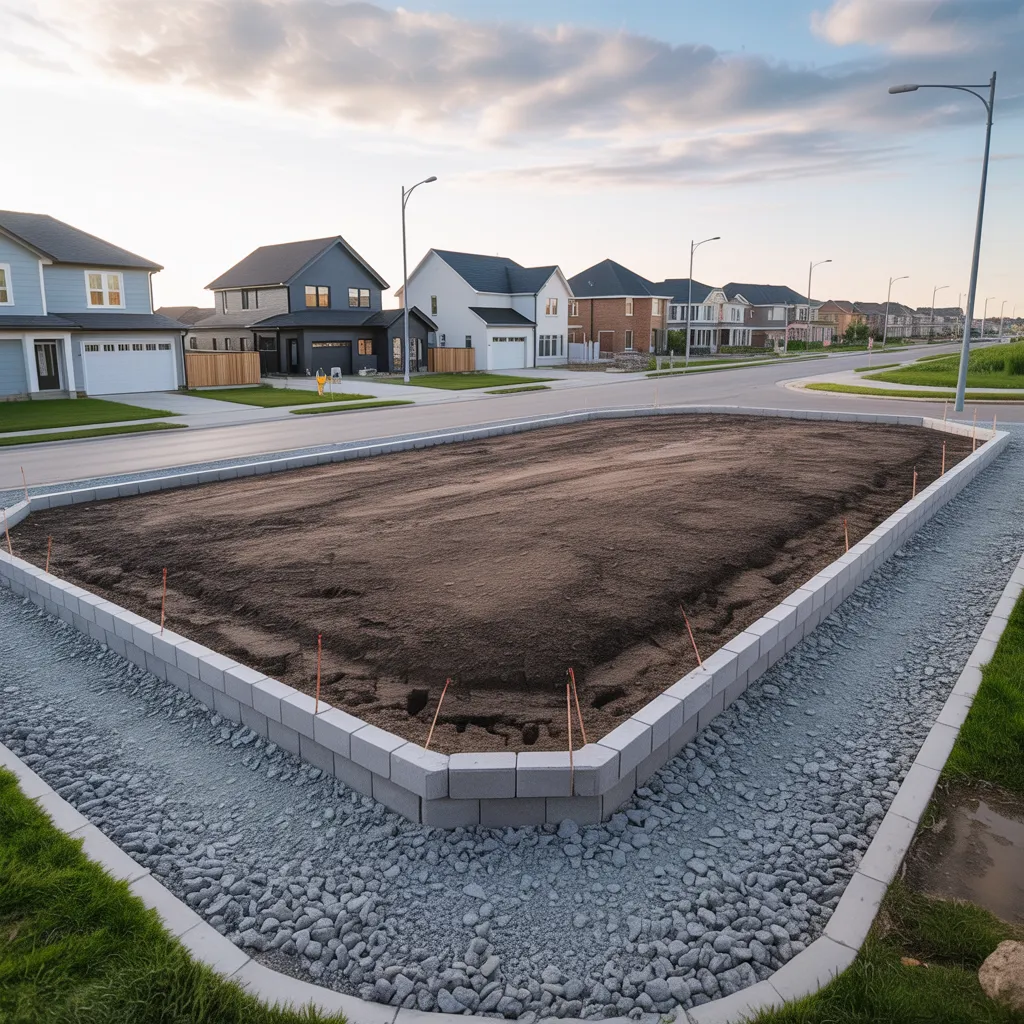
Comprehending the housing market demands a keen awareness of multiple factors that impact property values and investment possibilities. Investors need to consider economic indicators such as employment rates, income levels, and population growth, as these elements significantly impact demand for housing. Furthermore, trends in interest rates can impact buyers' purchasing power, which in turn influences market dynamics.
Geographical positioning serves a vital function, as properties in urban areas often appreciate faster than those in rural regions. Area conveniences, educational districts, and criminal activity rates are additionally vital aspects that determine demand.
Additionally, understanding market cycles—characterized by phases of expansion, contraction, and recovery—can enable investors make informed decisions about timing their investments. Additionally, local zoning laws and regulations can further shape the investment landscape, affecting potential property uses. Together, these factors create a complex environment that calls for thorough analysis for successful real estate investing.
Important Considerations to Think About When Purchasing Land
When assessing land purchases, several key factors greatly influence the decision-making process. First, location plays a significant role; proximity to amenities, schools, and transportation can impact long-term value. Second, zoning regulations must be thoroughly evaluated, as they determine allowable uses and future development potential. Third, land topography and soil quality are essential for those aiming to build or farm, influencing both usability and costs. Additionally, access to utilities such as water, electricity, and sewage systems is necessary for modern living standards. Environmental considerations, including flood zones and conservation areas, can also impact land viability. Finally, understanding the local real estate market trends will offer insight into future appreciation and investment potential. Each of these factors should be thoroughly analyzed to secure a well-informed purchase that aligns with the buyer's goals and financial aspirations.
Leading Destinations for Affordable Property Investments
What locations offer investors the finest opportunities for economical property investments? Multiple developing markets offer attractive possibilities. Regions like the Midwest United States, notably areas such as Ohio and Indiana, present minimal entry prices and prospects for development. Throughout the South, metropolitan areas such as Atlanta and Charlotte are building momentum due to their growing economies and comparatively affordable land.
In addition, parts of Texas, like San Antonio and Houston, present cost-effective choices due to their fast expansion and population boom. For those searching internationally, countries such as Mexico and Portugal display appealing real estate markets with excellent prices.
These regions not only feature lower property values but also exhibit strong prospects for appreciation, making them ideal alternatives for investors seeking affordability without giving up on future value. By prioritizing these locations, investors can intelligently position themselves in the property market.
Categories of Land Investment Opportunities to Consider
When examining land investments, various options present unique opportunities for future buyers. Residential land can serve housing development, while commercial properties deliver avenues for business ventures. Additionally, agricultural land remains a practical choice for those interested in farming and investment in food production.
Residential Land Investment Options
Investigating residential land options provides a broad range of investment opportunities for those seeking to increase their property portfolios. Investors can explore vacant lots in up-and-coming neighborhoods, which often provide lower prices and potential for substantial appreciation. Furthermore, purchasing land for single-family home development can generate substantial returns, especially in areas with increasing demand for housing. Investors may also explore subdividing larger parcels into multiple residential lots, maximizing profit potential. Additionally, raw land in suburban zones can draw to buyers looking for space away from urban centers. Each possibility requires detailed analysis of local market trends, zoning regulations, and infrastructure development to ensure a successful investment strategy that matches with personal financial goals.
Business Property Investments
Investment professionals looking to broaden their portfolios beyond residential property opportunities may discover that commercial property investments offer a compelling pathway. Such investments include multiple property categories, such as office buildings, retail spaces, warehouses, and mixed-use developments. Every type offers distinct advantages, such as providing increased rental returns and extended lease periods, which can generate reliable cash flow. Furthermore, commercial properties typically appreciate at a quicker rate than residential real estate, rendering them a desirable choice for sustained returns. However, they may necessitate a more significant initial capital outlay and involve different risks, like market fluctuations and tenant turnover. Therefore, educated decision-making and comprehensive market analysis are crucial for investors aiming for success in commercial property markets.
Agricultural Property Choices
Although many investors prioritize residential and commercial properties, agricultural land options provide a unique opportunity for diversification. This type of investment can be attractive due to the rising demand for food production and sustainable practices. Investors can pick from various agricultural land types, including cropland, pasture, and orchards, each offering distinct benefits. Cropland often produces high returns through cash crops, while pastureland can provide steady income through livestock grazing. Orchards may need a longer-term commitment but can produce lucrative harvests. Moreover, agricultural land investments typically have lower volatility versus urban real estate markets. In summary, exploring agricultural land options enables investors to tap into a crucial sector that aligns with global sustainability trends.
Financing Solutions for Property Purchases
How might prospective buyers successfully fund their land acquisitions? Various alternatives are accessible to future land purchasers. Traditional bank loans are a common choice, providing appealing interest rates and terms. Nonetheless, financial institutions might demand a more substantial down payment for land versus residential properties, often around between 20% and 30%.
A further alternative is a land loan from specialized lenders, which might accommodate buyers seeking vacant or raw land. These loans may have varying terms and interest rates, so careful evaluation is necessary.
For property owners with accumulated equity, a home equity line of credit (HELOC) can deliver a flexible financing option. In addition, some sellers may extend owner financing, allowing buyers to make payments directly to them over time. Last but not least, cash purchases can simplify transactions and may create opportunities for negotiating lower prices. Each choice has its merits and drawbacks, demanding thorough research and financial planning.
Recommendations for Negotiating the Most Competitive Price
Powerful negotiation techniques can greatly impact the final price of a property, making it essential for potential buyers to approach the process with readiness and assurance. First, conducting comprehensive research on comparable properties provides valuable insights that can be leveraged during negotiations. Understanding market trends and pricing will enable buyers to make educated offers.
Next, setting a clear budget beforehand helps maintain focus and prevents overspending. Prospective buyers should establish their maximum price and be prepared to walk away if the asking price go beyond this limit.
In addition, cultivating a good relationship with the seller can promote smoother negotiations. Open communication and a respectful approach can result in concessions that serve both parties.
Finally, timing can be a crucial factor; approaching negotiations during quieter market periods may produce more favorable deals. By implementing these strategies, buyers can enhance their chances of securing excellent land at an affordable price.
Future Trends in Land Investment Opportunities
Which emerging factors are influencing the future of land investment opportunities? Increasing urbanization and population growth are driving demand for available land, particularly in metropolitan areas. Technology innovations, such as drone surveying and blockchain, are enhancing transparency and efficiency in land transactions. Furthermore, environmental sustainability is emerging as a priority, with investors pursuing properties that support green developments or renewable energy projects.
Remote work trends are also influencing land investments, as people look for properties in non-urban or remote regions for lifestyle changes. Moreover, government incentives for cost-effective residential development and infrastructure development are creating attractive investment opportunities.
As investors gain greater awareness of these market shifts, they are likely to broaden their investments through investigating not only standard residential and commercial assets but also acreage designed for farming, sustainable energy, and multi-purpose projects. This developing market creates a bright outlook for those willing to adapt to evolving market forces.
Frequently Asked Questions
What Are the Tax Implications of Purchasing Land?
Buying land frequently entails property taxes, potential capital gains taxes at the time of resale, and possible additional assessments determined by land use. Tax implications can change based on location, necessitating careful research and consultation with a tax expert.
In What Ways Do Zoning Laws Impact Land Investment Choices?
Zoning ordinances refer to this page substantially affect land investment decisions by determining allowable land use, density, and development types. Real estate investors must examine these regulations to ensure compliance and maximize property potential, affecting future resale value and profitability.
Am I Allowed to Build on Land Without Permits?
Developing on land without permits is typically not permissible. Regulatory bodies typically require permits to guarantee compliance with regulations, safety requirements, and zoning laws. Bypassing these requirements can cause fines, legal problems, or forced demolition of structures.
How Can I Verify Land Ownership and Boundaries?
To confirm land ownership and boundaries, it's advisable to review public land records, verify property deeds, and consider to hire a qualified surveyor. Municipal offices can offer necessary documentation and exact boundary descriptions to guarantee clarity.
What Are Typical Errors to Prevent When Purchasing Land?
Frequent pitfalls to prevent when acquiring property consist of failing to perform detailed analysis of zoning laws, neglecting environmental assessments, neglecting to validate access rights, and neglecting to work with real estate specialists or attorneys before making a purchase.